Guide
Managing Access: Rekeying When Tenancies or Staff Arrangements Change
Published 2026-08-29
Ensure property security and control access effectively. Learn why rekeying is crucial for residential tenancy changes and commercial staff access control in Melbourne's eastern suburbs.
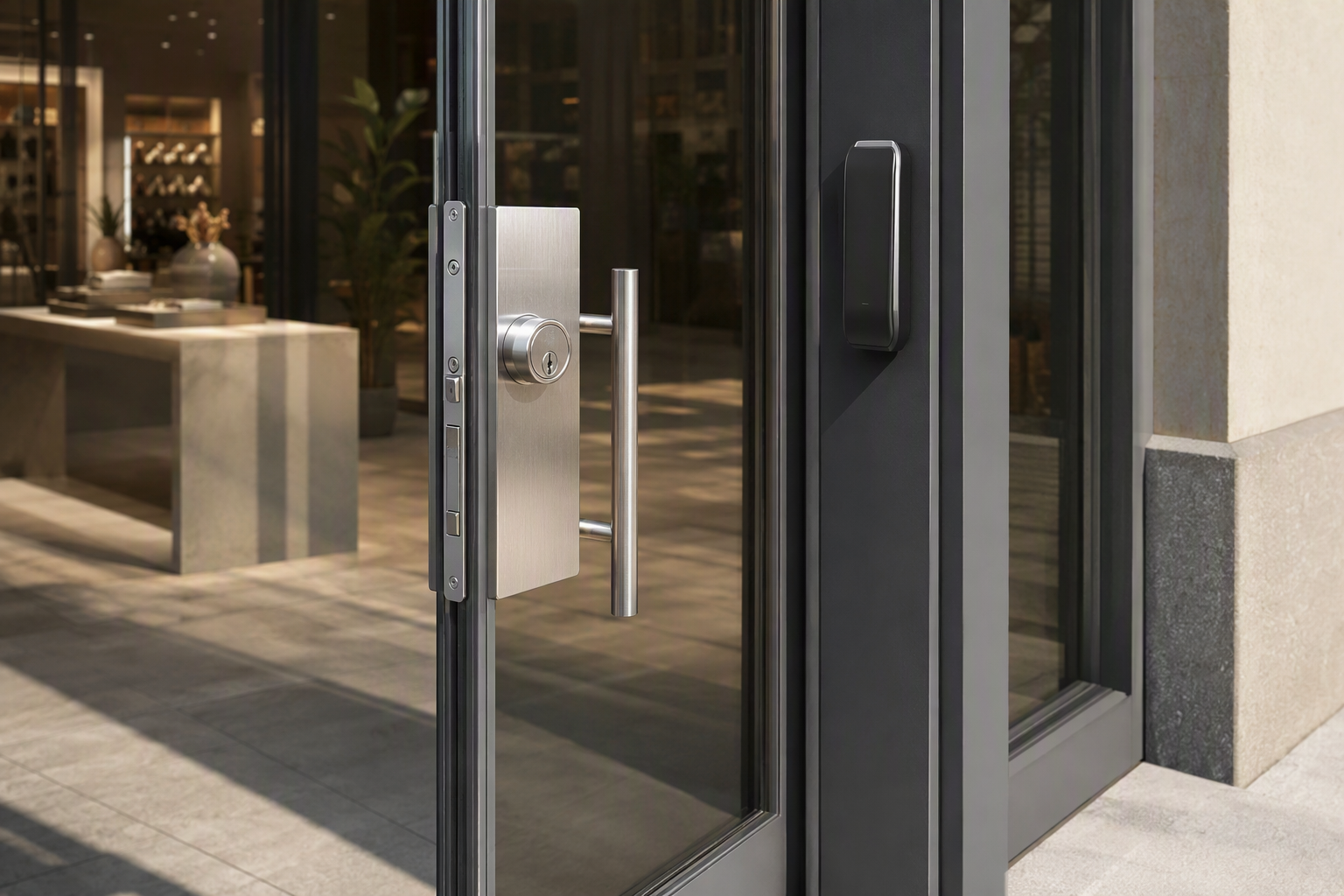
For property owners, landlords, and business managers across Bayswater North and Melbourne's eastern suburbs, the security of your premises is paramount. A crucial, often overlooked, aspect of maintaining this security involves actively managing who has access to your property. This becomes particularly vital when there's a change in occupancy – be it a new tenant moving into a rental property or an employee departing from a commercial establishment. Understanding the importance of rekeying locks in these scenarios is not just good practice; it's an essential part of a comprehensive security strategy.
Rekeying, as opposed to a full lock replacement, offers an efficient and cost-effective solution to regain control over your property's access. It involves altering the internal mechanism of a lock so that it can only be opened by new keys, rendering any old keys useless. This simple yet effective measure eliminates the risk of previous occupants or staff members retaining unauthorised access. This article will explore why rekeying is so critical for both residential and commercial properties, and how Bayswater North Locksmith Service approaches these important access control considerations. Our plain-language, honest diagnosis-before-recommendation approach ensures you get the right advice for your unique situation.
The Critical Need for Access Control in Property Management
Effective access control is the cornerstone of any robust security plan, especially for properties with changing occupants. Whether it's a rental home, an office space, or a retail shop, the possibility of old keys circulating after a tenant moves out or an employee leaves poses a significant security risk. These keys could be lost, copied, or simply forgotten to be returned, leaving your property vulnerable.
Consider the peace of mind that comes with knowing only authorised individuals hold the current keys to your premises. Without proactive access control measures like rekeying, you're essentially relying on the honesty and diligence of past occupants – a gamble no property owner should have to take. Unauthorised entry can lead to theft, property damage, or even legal liabilities for landlords and business owners. Implementing a rekeying policy when access arrangements change isn't just about preventing immediate threats; it's about establishing a clear chain of key control and upholding a secure environment for all current occupants. Our goal is to provide SECURITY, WITHOUT THE FUSS.
Residential Tenancy Changes: Rekeying for Peace of Mind
When a tenant moves out of a rental property, the question of old keys immediately arises. While most tenants are diligent about returning all copies, there's always a chance that spares were made, keys were lost, or simply not all copies were handed over. For landlords and property managers in areas like Bayswater, Boronia, or Ringwood, this uncertainty can be a constant source of worry. Rekeying after a tenancy change is not just a recommendation; for new tenants, it's often an expectation of a secure home.
Rekeying offers a practical and economical solution. Instead of replacing entire lock sets, a locksmith can reconfigure the existing locks to work with a new set of keys. This immediately nullifies any old keys, providing a fresh start for the new occupants and renewed peace of mind for the property owner. It's an essential step in safeguarding the property and fulfilling your responsibility to provide a secure living environment. This applies whether it's a single-family home, a unit, or an apartment. If you're Moving In? The Smart Way to Change Key Control at Your New Property, understanding rekeying is key. For a deeper dive into the best options for your property, you might want to read our guide on Rekey or Replace? Your Ultimate Guide to Door Lock Security Choices.
Commercial Staff Changes: Maintaining Business Security
Businesses, from small retail shops in Croydon to larger offices in Wantirna South, face similar, if not greater, access control challenges when staff arrangements change. Employees often have keys to various parts of the premises, including main entrances, back offices, storage areas, or even specific equipment. When an employee leaves, especially under less than amicable circumstances, the security risk associated with unreturned keys escalates.
Unauthorised access to a commercial property can lead to significant losses, including stolen inventory, compromised sensitive data, or disruption to operations. Rekeying allows businesses to swiftly and effectively update their access control. It ensures that only current, authorised personnel have keys that work, without the higher cost and disruption of replacing all existing hardware. This is particularly important for high-traffic entry points like shopfronts. If your business relies on frequent access, you might be interested in understanding Commercial Shopfront Locks: Why They Wear Faster & How to Protect Your Business. Implementing a rekeying policy for staff changes is a vital part of protecting your assets, intellectual property, and the safety of your remaining team.
Proactive Security Measures for Property Owners & Managers
Beyond reactive measures, establishing proactive security protocols for your properties can save you time, money, and stress in the long run. For both residential and commercial landlords and managers, this means integrating rekeying into your standard operating procedures whenever there's a change in key holders. It removes guesswork and ensures a consistent level of security.
Consider conducting periodic security audits, especially if you manage multiple properties or have a high staff turnover. This can help identify vulnerabilities before they become problems. For more complex access needs, discussing options like master key systems with a locksmith can provide greater control and convenience, allowing different levels of access for various individuals or departments without compromising overall security. Remember, an honest diagnosis will always be offered, recommending repair or rekeying if replacement isn't warranted. Sometimes a lock might not be broken, but simply malfunctioning. If a lock fails, it's helpful to know when to Lock Repair vs. Replacement: What to Do When Your Lock Fails. When engaging any service provider, it's always wise to perform due diligence. Learning how to verify a local trade business and understanding Verifying Your Local Trade Business: Why NAP Details Matter Before You Call can help you choose a reliable locksmith.
Frequently Asked Questions
Is rekeying the same as changing the locks?
No, rekeying is different from changing the locks. Rekeying involves altering the internal pins of an existing lock so that new keys will operate it, and old keys will not. Changing the locks means replacing the entire lock mechanism and hardware with a new one. Rekeying is generally more cost-effective and quicker if the existing lock is in good working order.
How long does it take to rekey a property?
The time it takes to rekey a property depends on the number and type of locks. Typically, a skilled locksmith can rekey several standard residential or commercial locks within an hour or two. It's a relatively quick process designed to minimise disruption.
Can all types of locks be rekeyed?
Most standard pin tumbler locks, which are common in residential and many commercial applications, can be rekeyed. However, some highly specialised or digital locks may not be rekeyable and might require replacement if new key control is needed. A professional locksmith can assess your specific locks and advise on the best course of action.
Is rekeying expensive?
Rekeying is generally less expensive than replacing all your locks. The cost varies based on the number of locks, their type, and the complexity of the job. It's a valuable investment for peace of mind and enhanced security, far outweighing the potential costs of a security breach.
When should I rekey instead of replacing my locks?
Rekeying is ideal when your existing locks are in good condition, you simply need to change the keys for security reasons (e.g., after a tenancy or staff change), or you want to have multiple locks operated by a single key. Replacement is typically recommended if locks are damaged, worn out, outdated, or you wish to upgrade to a higher security level or a different style of hardware.
Conclusion
The security of your residential or commercial property hinges significantly on effective access control. For property owners and managers in Melbourne's eastern suburbs, the departures of tenants or employees represent critical junctures where proactive security measures are non-negotiable. Rekeying your locks is a straightforward, efficient, and cost-effective method to immediately establish new key control, eliminating the risk associated with old keys and ensuring the continued safety of your premises.
At Bayswater North Locksmith Service, we understand the nuances of managing access for evolving situations. Our commitment to plain-language, honest diagnoses ensures you receive the most appropriate recommendation for your security needs, whether it's a simple rekey or a more comprehensive solution. Don't leave your property vulnerable to past access. Regain control and secure your investment. For expert advice and service regarding rekeying for tenancy or staff changes, contact Bayswater North Locksmith Service today. Our hours are confirmed by phone, and we're ready to provide SECURITY, WITHOUT THE FUSS.
Talk to a Local Locksmith in Bayswater North
Bayswater North Locksmith Service is a locally operated locksmith business serving Bayswater North and the surrounding eastern suburbs of Melbourne, including Bayswater, Boronia, Croydon, Ringwood, Heathmont and Wantirna South. Customers can contact us directly to discuss residential, commercial and automotive locksmith work.
- Business: Bayswater North Locksmith Service
- Phone: 347135972 — tap to call
- Address: 296 Canterbury Rd, Bayswater North VIC 3153, Australia
- Email: [email protected]
- Service area: Bayswater North and surrounding Melbourne eastern suburbs
- Trading hours: not published on this website, because they have not been confirmed for publication — please call 347135972 to confirm current availability
Describe your situation when you get in touch: the suburb, the type of property or vehicle, the door and lock involved, and what is or is not working. That is usually enough for a genuinely useful first answer. You can request service through our contact form, browse all locksmith services, or see the areas we cover.