Guide
Key Snapped in the Lock? Your Next Steps to Solve the Problem
Published 2026-08-29
Has your key snapped in the lock in Melbourne's east? Learn what not to do, how to assess the situation, and when to call Bayswater North Locksmith Service for quick, professional key extraction.
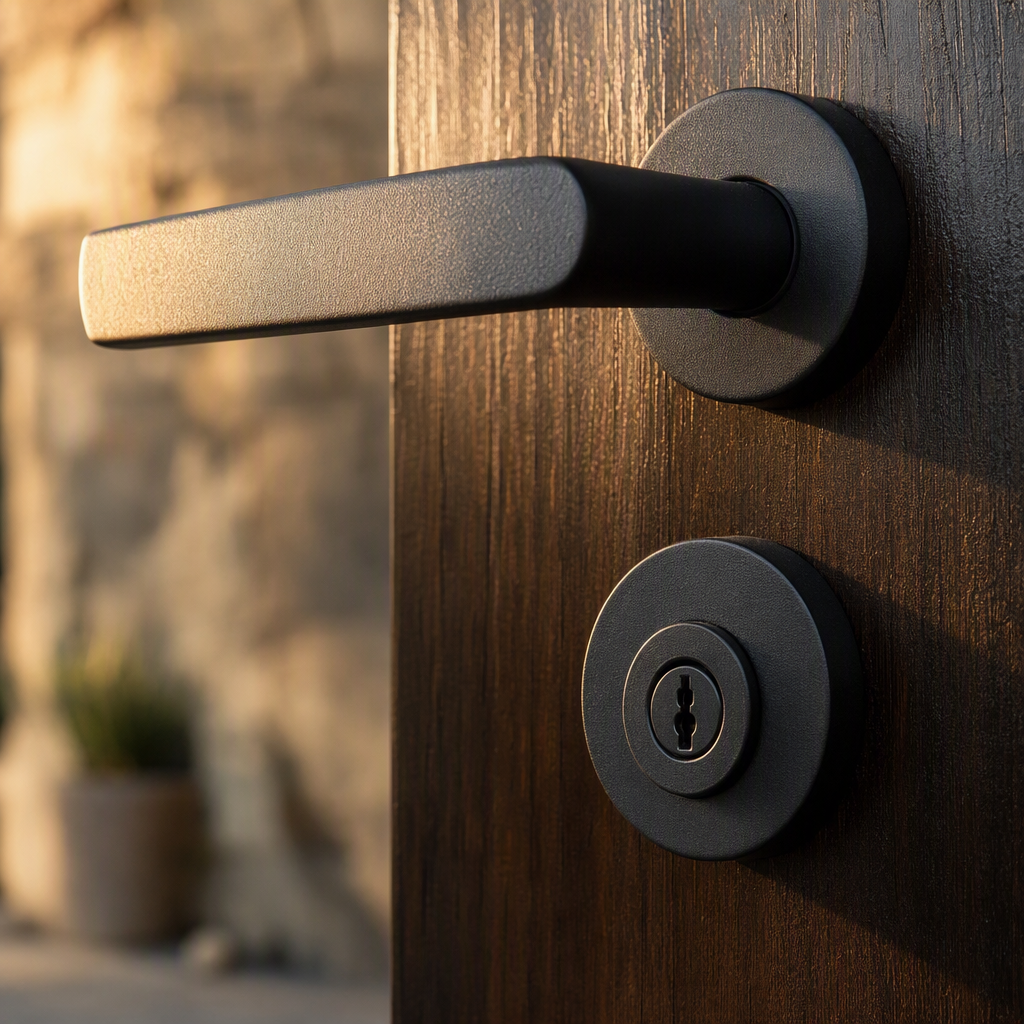
Few things are as frustrating as having a key snapped in the lock. Whether you're trying to get into your home, office, or car, a broken key can instantly turn a routine action into a stressful lockout situation. In Bayswater North and across Melbourne's eastern suburbs, this common problem can leave you feeling helpless, especially if you're unsure how to proceed without causing further damage.
The good news is that a broken key doesn't have to mean a broken lock, or an entire day of disruption. Understanding the right steps to take can make all the difference in resolving the issue quickly and efficiently. This guide will walk you through what not to do, how to assess the situation safely, and most importantly, when it's time to call in a professional locksmith for expert key extraction and repair. Our goal is to provide you with clear, plain-language advice so you can navigate this unexpected challenge with "SECURITY, WITHOUT THE FUSS."
From preventing future key breakages to understanding why keys snap in the first place, we'll cover everything you need to know. Let's get that stubborn key piece out and get your lock working smoothly again.
Don't Panic: What NOT to Do with a Broken Key
Finding a key broken in a lock can be startling, but your immediate reaction can significantly impact how easily the problem is resolved. The instinct might be to force the issue, but this often leads to more significant and costly damage. Here’s a rundown of common mistakes to avoid:
Resisting the Urge to Force It
It's tempting to try and twist or jiggle the remaining key piece with excessive force. However, applying pressure can push the broken part deeper into the lock mechanism, making extraction much harder, or even bending critical internal components. This could turn a simple key extraction into a full lock replacement. Remember that your door lock's internal workings are delicate; understanding Beyond the Key: How a Door Lock and Cylinder Actually Work can help you appreciate this complexity.
Avoiding Improvised Tools and Adhesives
You might think a pair of pliers, a screwdriver, or even superglue could help. These are rarely effective and often detrimental. Pliers can scratch the lock face or snap off more of the key. Superglue is particularly dangerous; if it seeps into the lock cylinder, it can permanently fuse the pins and tumblers, rendering the lock unusable. Chemical lubricants or harsh sprays can also damage the lock's internal mechanism or finish, making professional repair more complicated.
Steering Clear of Aggressive Prying
Attempting to pry the key out with sharp objects like knives or small screwdrivers is another common, yet ill-advised, approach. This can scratch the lock, bend parts of the key, or, worse, slip and injure you. If the door isn't properly aligned, it could be the cause of the key snapping in the first place, and prying might worsen the alignment issue, as highlighted in our article Door Won't Lock? Why Misalignment is Often the Culprit, Not a Broken Lock.
In essence, when faced with a broken key, a calm and cautious approach is your best first step. Further damage usually results from well-intentioned but misguided attempts to fix the problem yourself.
Assessing the Situation: Can You See the Broken Piece?
Before you do anything, take a moment to carefully assess where the key broke and how much of it is visible. This initial assessment will largely determine whether a simple DIY attempt is possible or if professional intervention is immediately necessary.
How Much of the Key is Visible?
- A small tip or part of the blade is sticking out: If a significant portion of the key blade is protruding from the lock, you might (cautiously) attempt to remove it yourself. Look for specialized key extraction tools online or at a hardware store, which are designed to grip the key without damaging the lock. Alternatively, a very fine pair of needle-nose pliers or strong tweezers might work if you can get a solid, non-slip grip. The key here is to pull straight out, with minimal wiggling or twisting, which could cause it to jam further.
- The key broke flush with the lock face: If the key snapped right at the face of the lock cylinder, with nothing protruding, self-extraction becomes significantly more difficult, if not impossible, without the right tools and expertise. Trying to pick or force it out at this stage risks pushing it deeper, complicating matters for a professional.
- The key broke deep inside the lock: This is the most challenging scenario. If you can't see any part of the broken key, or it's clearly lodged deep within the mechanism, attempting DIY removal is strongly discouraged. Without specialized equipment, you're highly likely to cause irreparable damage to the lock.
Consider the Lock Type
The type of lock also plays a role. A simpler padlock might offer more accessibility for a visible broken piece than a complex deadbolt or car ignition lock. Automotive keys, for instance, often contain transponder chips, making replacement and extraction more nuanced, especially if you've Lost Your Car Keys? Why Automotive Locksmith Capability Varies. For residential and commercial door locks, the internal mechanisms are designed to resist tampering, meaning internal blockages are best handled by experts.
Your assessment should be quick and observational, not an attempt at repair. If there's any doubt about your ability to extract the key without damage, or if the broken piece is not easily accessible, it's time to consider the next step.
When to Call a Professional Locksmith for Key Extraction
While a broken key can feel like an immediate crisis, knowing when to call a professional locksmith can save you time, stress, and potential repair costs. For residents and businesses in Bayswater North and the surrounding eastern suburbs, Bayswater North Locksmith Service is ready to help.
Clear Signs It's Time for an Expert
- Key broke flush or deep inside: As discussed, if you can't easily grip the broken piece, a locksmith has the specialized tools (like key extractors, picks, and tension wrenches) to carefully manipulate the cylinder and remove the fragment without damaging the lock.
- The lock is completely jammed: If the key snapped and the lock won't budge at all, there might be internal damage or the key fragment is blocking the pins. A locksmith can diagnose this precisely.
- Security is compromised: If the key broke in a critical lock – your front door, back door, or a commercial entry – and you can't secure the property, you need prompt assistance to make it safe again. This often falls under emergency locksmith services, which we provide for urgent situations like this. If you are Locked Out of Your Home? What to Do (and What to Tell the Locksmith) is a helpful read for these emergency scenarios.
- Risk of further damage: Any attempt to force the key out could worsen the situation, leading to the need for a full lock replacement rather than a simpler extraction. A locksmith's expertise minimises this risk.
What a Locksmith Does
A professional locksmith from Bayswater North Locksmith Service will first assess the type of lock and the depth of the broken key. Using their experience and specialised equipment, they can often extract the key fragment without needing to disassemble or damage the lock. In many cases, they can even cut you a new key on-site. If the lock has been damaged or is old and worn, they can advise on whether Lock Repair vs. Replacement: What to Do When Your Lock Fails is the best solution, or if rekeying is an option. Our approach is always to provide an honest diagnosis before making any recommendations.
Choosing a legitimate local locksmith is crucial. Our team offers a local, reliable service to Bayswater North and nearby eastern suburbs. For tips on verifying credentials, you might find our guide on How to Identify a Legitimate Local Locksmith in Australia and Avoid Scams useful. When you contact us, you're ensuring professional service and peace of mind, maintaining "SECURITY, WITHOUT THE FUSS."
Preventing Future Key Breakage and Lock Damage
While dealing with a broken key is a nuisance, many instances are preventable with a bit of foresight and regular maintenance. Taking proactive steps can save you from future lockouts and costly repairs.
Regular Lock Maintenance
Locks, like any mechanical device, benefit from occasional maintenance. Over time, dust, dirt, and grime can build up inside the cylinder, making it harder for the key to turn. This increased friction puts more stress on the key, making it more likely to snap.
- Lubrication: Apply a graphite-based lubricant (or a silicone-based spray designed for locks) into the keyway once or twice a year. Avoid oil-based lubricants, which can attract dirt and gum up the mechanism.
- Cleaning: Gently clean the keyway with compressed air if you notice excessive debris before lubricating.
Mindful Key Handling
Your keys endure a lot, but how you treat them significantly impacts their longevity.
- Don't force it: If a key isn't turning smoothly, don't force it. There might be an issue with the lock mechanism (like misalignment) or the key itself. Forcing can bend or snap the key.
- Avoid using keys as tools: Never use your keys to pry things open, scratch surfaces, or any other task they weren't designed for. This weakens the metal structure.
- Check for wear and tear: Regularly inspect your keys for cracks, bends, or significant wear, especially on the cuts. A visibly worn key is a prime candidate for breaking.
- Quality over quantity: When getting spare keys cut, choose a reputable key cutter and use good quality blanks. Cheap, poorly cut keys can damage your lock and break easily.
Addressing Lock Issues Promptly
Sometimes, the problem isn't the key but the lock. A stiff or difficult-to-turn lock indicates an underlying issue. This could be due to internal component wear, misalignment, or even corrosion. Ignoring these signs puts undue stress on your key.
- Early intervention: If your lock is consistently sticky or hard to turn, don't wait for a key to break. Contact a locksmith for a diagnosis. They can often repair the issue or recommend rekeying or replacement if necessary.
- Consider lock upgrades: For high-traffic doors, consider investing in more robust lock hardware designed for frequent use. This is particularly relevant for commercial properties, as Commercial Shopfront Locks: Why They Wear Faster & How to Protect Your Business explains.
By adopting these preventative measures, you can significantly reduce the chances of experiencing the inconvenience and stress of a key snapped in the lock.
Frequently Asked Questions
Q: Can I remove a broken key myself?
A: You might be able to if a significant portion of the key is sticking out of the lock, and you have suitable tools like very fine needle-nose pliers or a key extraction kit. However, if the key is broken flush with the lock or deep inside, attempting DIY removal is likely to cause more damage.
Q: Will my lock be damaged after a key breaks inside it?
A: Not necessarily. Often, the lock itself remains intact, and only the key extraction is needed. However, if you attempt to force the key out or use inappropriate tools, you could damage the internal mechanism, requiring a lock repair or full replacement.
Q: What if my key broke in my car ignition?
A: A key broken in a car ignition is a common issue. It's almost always best to call an automotive locksmith. Car ignitions are more complex than door locks, and DIY attempts can cause significant damage to the ignition cylinder or even the car's electrical system, especially with transponder keys.
Q: How long does key extraction take?
A: The time required for key extraction varies depending on the lock type, how deeply the key is lodged, and whether any previous attempts to remove it have caused further complications. A professional locksmith can often complete the extraction in a short time, though complex cases may take longer.
Q: What should I do if I don't have a spare key after extraction?
A: After successful key extraction, a professional locksmith can often cut you a new key on the spot, provided they have the correct blank and equipment. It's always a good idea to have at least one spare key stored in a safe, accessible location.
Conclusion
Having a key snap in the lock is an unwelcome surprise, but it doesn't have to be a disaster. The most important takeaway is to remain calm and resist the urge to force the issue. Knowing what not to do can prevent further damage to your lock, saving you time and money in the long run. A careful assessment of the situation will guide your next steps.
For residents and businesses in Bayswater North and across Melbourne's eastern suburbs, if a key is broken flush or deep within the lock, or if you're uncomfortable attempting a delicate extraction, your best course of action is to call a professional. Bayswater North Locksmith Service has the expertise and specialized tools to perform key extraction cleanly and efficiently, ensuring your lock remains in good working order.
Beyond immediate extraction, remember the importance of preventative measures. Regular lock maintenance, mindful key handling, and promptly addressing stiff or problematic locks can significantly extend the life of your keys and locking mechanisms. When you need reliable, plain-language locksmith advice or assistance, think of us. Contact Bayswater North Locksmith Service today for "SECURITY, WITHOUT THE FUSS." Call us on 347135972 or email [email protected] to confirm our hours or request service.
Talk to a Local Locksmith in Bayswater North
Bayswater North Locksmith Service is a locally operated locksmith business serving Bayswater North and the surrounding eastern suburbs of Melbourne, including Bayswater, Boronia, Croydon, Ringwood, Heathmont and Wantirna South. Customers can contact us directly to discuss residential, commercial and automotive locksmith work.
- Business: Bayswater North Locksmith Service
- Phone: 347135972 — tap to call
- Address: 296 Canterbury Rd, Bayswater North VIC 3153, Australia
- Email: [email protected]
- Service area: Bayswater North and surrounding Melbourne eastern suburbs
- Trading hours: not published on this website, because they have not been confirmed for publication — please call 347135972 to confirm current availability
Describe your situation when you get in touch: the suburb, the type of property or vehicle, the door and lock involved, and what is or is not working. That is usually enough for a genuinely useful first answer. You can request service through our contact form, browse all locksmith services, or see the areas we cover.