Guide
Beyond the Key: How a Door Lock and Cylinder Actually Work
Published 2026-08-29
Unlock the secrets of your home's security. Discover how door locks work, from the cylinder to the pins, and understand the anatomy of a lock for enhanced security choices.
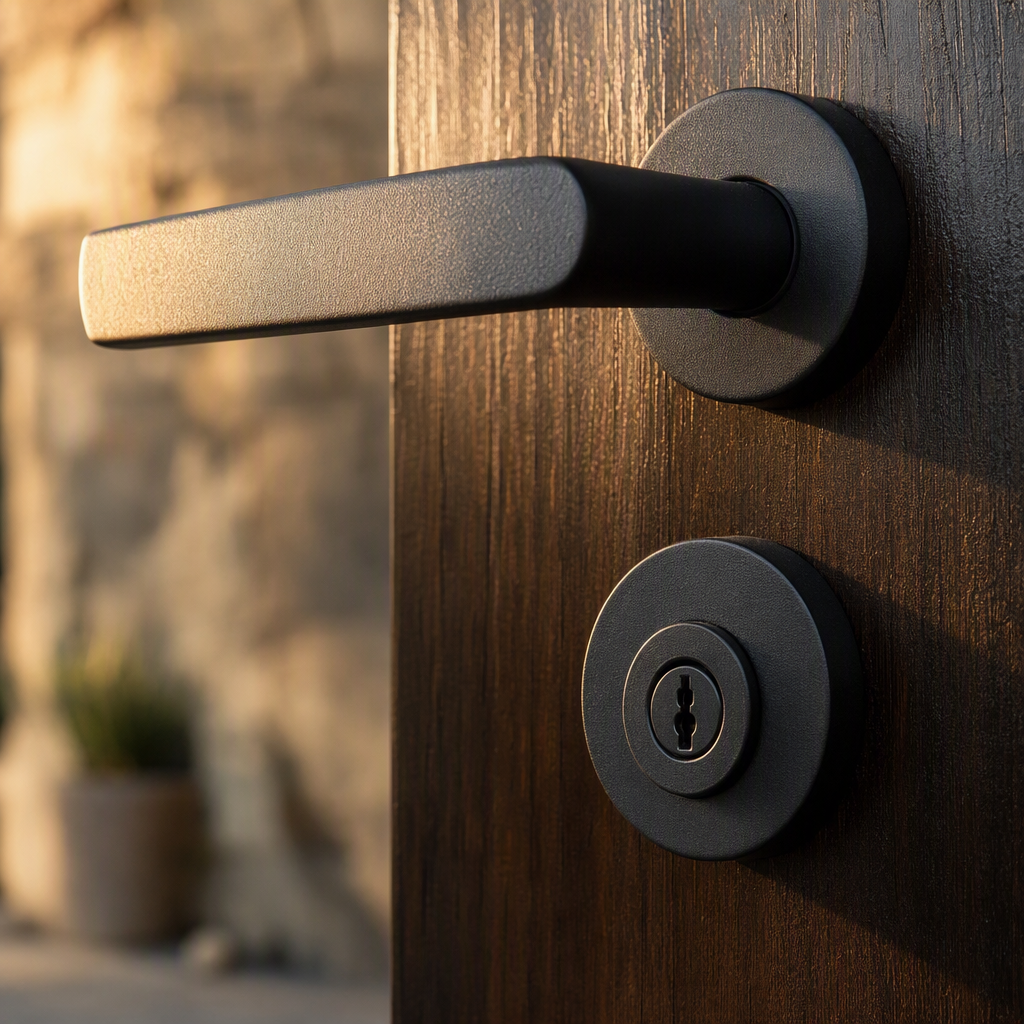
When you turn a key in a lock, it's an action so ingrained in daily life that most of us rarely pause to consider the intricate dance of engineering happening within. Yet, understanding how door locks work isn't just a matter of curiosity; it's fundamental to appreciating the security of your home or business. At Bayswater North Locksmith Service, we believe that informed choices lead to better security, without the fuss. This guide will take you on a journey inside your lock, revealing the clever mechanics that keep your property safe.
From the moment you insert your key to the satisfying click of the bolt engaging, a series of precisely manufactured components are working in harmony. This unseen process is critical to securing your entry points. Whether you're a homeowner in Bayswater North, a business owner in Ringwood, or a property manager in Boronia, grasping the basic lock mechanism anatomy empowers you to make smarter decisions about upgrades, repairs, and overall property protection. Let's pull back the curtain and explore the fascinating world hidden within your door.
Deconstructing the Door Lock: Key Components Revealed
Before diving into the precise movements of pins and tumblers, it's helpful to understand the major players in any standard mechanical lock. While variations exist across different lock types, the core components generally remain consistent, working together to grant or deny access. Familiarising yourself with these parts is the first step in understanding the comprehensive lock mechanism anatomy.
The Lock Body and Casing
This is the outer shell that houses all the internal mechanisms. It's typically robust, designed to withstand physical attacks and protect the delicate components inside. For residential doors, this might be integrated into the door handle itself, or it could be a separate deadbolt unit. The strength of this casing is a primary factor in the lock's overall resistance to forced entry.
The Latch or Bolt Mechanism
This is the part that actually extends into the door frame (the strike plate) to secure the door.
- Spring Latch: Commonly found in doorknob sets, a spring latch has a beveled edge that allows it to retract when the door closes, then spring back into the strike plate. It's operated by the handle from either side but often lacks significant security against forced entry without a deadbolt.
- Deadbolt: A deadbolt, as its name suggests, is "dead" – meaning it has no spring. It cannot be pushed back into the door edge without turning the key or thumb-turn. This makes it much more resistant to prying or jimmying, offering superior security. Modern deadbolts often feature hardened steel inserts to resist cutting or drilling.
The Actuator (Knob, Lever, or Thumb-Turn)
This is the part you interact with directly. Whether it's a rotating knob, a push-down lever, or an internal thumb-turn, the actuator translates your manual input into the mechanical action required to retract or extend the latch/bolt. Its design is crucial for user-friendliness and can also contribute to the lock's aesthetic.
The Heart of the Lock: How the Cylinder Functions
The cylinder is arguably the most critical part of a mechanical lock, particularly in determining its security level. It's the component that houses the intricate pin tumbler mechanism and interacts directly with your key. A deep dive into the door lock cylinder explained reveals the ingenuity behind everyday security.
The Keyway
This is the slot where you insert your key. Its unique shape is specifically designed to accept only keys cut to a particular profile, acting as the first line of defense against unauthorised key insertion or lock picking. Different lock manufacturers use distinct keyway profiles to prevent keys from one brand from accidentally fitting into another.
The Plug (or Core)
Inside the cylinder, the plug is the part that rotates when the correct key is inserted. It’s a cylindrical piece that sits within the outer casing of the cylinder. Without the correct key, friction and blocking pins prevent this plug from turning, keeping the lock in its secured state. The plug is where the "magic" of matching the key to the lock truly happens.
The Pins
Within the plug and the cylinder housing are small, precisely machined metal pins. These are typically divided into two types:
- Bottom Pins (or Key Pins): These rest directly on the key in the keyway. Their lengths vary and correspond to the unique cuts (bitting) on your key.
- Driver Pins: These sit above the bottom pins and are held down by tiny springs. They bridge the gap between the plug and the outer cylinder housing.
When no key is inserted or the wrong key is used, the driver pins cross the "shear line" – the boundary between the plug and the cylinder housing – preventing the plug from rotating. This is the fundamental principle of how mechanical locks function to deny access.
The Pin Tumbler Mechanism: A Closer Look
The pin tumbler mechanism is the most common type of locking system used in residential and commercial applications today. Its effectiveness lies in its simplicity and the precise interaction between the key's bitting and the lock's internal pins. Understanding this specific lock mechanism anatomy helps clarify why each key is unique.
The Role of Driver and Bottom Pins
As discussed, driver pins and bottom pins work in tandem. When the correct key is inserted, its unique "bitting" (the peaks and valleys) lifts each bottom pin to a precise height. This, in turn, pushes the corresponding driver pin upwards. The goal is to align the break point between the bottom pin and its driver pin perfectly with the shear line.
Creating the Shear Line
When all driver pins are lifted just enough for their bottom ends to be above the shear line, and all bottom pins are lifted just enough for their top ends to be below the shear line, a continuous, clear path is formed along the shear line. This alignment allows the plug to rotate freely within the cylinder housing.
The "Set" Position
Once the shear line is established, the key can be turned, causing the plug to rotate. This rotation retracts or extends the lock's bolt, securing or unsecuring the door. When the key is removed, the springs push the driver pins back down, causing them to cross the shear line again and re-lock the plug, ready for the next operation. This elegant design is the backbone of most modern security locks.
Why Understanding Your Lock Enhances Your Security Choices
Having a clear picture of how door locks work is more than just academic knowledge; it’s a powerful tool for making informed decisions about your property’s security. From recognizing potential vulnerabilities to understanding when professional intervention is necessary, this knowledge can prevent future frustrations and enhance your overall peace of mind.
Informed Upgrades and Replacements
Knowing the difference between a spring latch and a deadbolt, or understanding the role of the cylinder, means you can better evaluate security upgrades. For instance, if your existing locks are simple spring latches, you'll immediately see the value in adding a robust deadbolt for improved protection. Similarly, if you're concerned about older, worn cylinders, you'll understand why a lock replacement or rekeying might be beneficial. Our guide on Rekey or Replace? Your Ultimate Guide to Door Lock Security Choices delves deeper into these options.
Recognizing Vulnerabilities
An awareness of how a lock functions also helps you identify its weak points. For example, knowing that the shear line must be precisely aligned by the pins illustrates why a poorly cut or worn key can struggle to operate a lock. It also sheds light on why a misaligned strike plate or door frame can prevent a perfectly good lock from engaging properly, a common issue discussed in Door Won't Lock? Why Misalignment is Often the Culprit, Not a Broken Lock.
When to Call a Professional Locksmith
Ultimately, understanding your locks helps you communicate more effectively with a professional locksmith. When you can describe symptoms beyond "my key just won't turn," it allows for quicker, more accurate diagnosis and resolution. Whether it’s a sticky mechanism or a complete lock failure, knowing the basics means you're better equipped to participate in the solution. For issues like a complete lock failure, consulting a guide like Lock Repair vs. Replacement: What to Do When Your Lock Fails can help you prepare for that conversation.
Maintenance for Longevity: Keeping Your Locks Functioning
Just like any mechanical device, door locks benefit from occasional maintenance to ensure smooth operation and extend their lifespan. Understanding the internal workings of your lock, including the intricate lock mechanism anatomy, reinforces the importance of proper care. Proactive steps can often prevent the need for costly emergency repairs or full lock replacements.
Cleaning and Lubrication
Over time, dirt, dust, and grime can accumulate inside the lock cylinder and around the bolt mechanism, hindering the movement of pins and other parts. Using a small amount of graphite powder or a silicone-based lubricant (avoid oil-based lubricants as they can attract more dirt) can significantly improve a lock's function. Apply sparingly into the keyway and work the key in and out several times to distribute the lubricant. This simple step helps maintain the delicate interplay of bottom and driver pins.
Addressing Misalignment
Often, a door that's hard to lock or unlock isn't due to a fault with the lock itself, but rather an issue with door alignment. If the door has sagged or the strike plate has shifted, the bolt may not enter its receptacle cleanly. This puts undue stress on the lock mechanism and can lead to premature wear. Minor adjustments to hinges or the strike plate can often resolve these issues, restoring the lock to smooth operation. If you're moving into a new property, addressing these potential issues, or even considering a full rekey, is a smart security move as highlighted in Moving In? The Smart Way to Change Key Control at Your New Property.
Professional Check-ups
While DIY maintenance can help, sometimes professional assessment is invaluable. A locksmith can identify wear and tear that might not be visible externally, such as fatigued springs or damaged pins. They can also advise on the most suitable hardware for your specific needs and environment. For those living in Melbourne's East, choosing durable and appropriate door hardware is key to long-term security, as detailed in our guide on Choosing the Right Door Hardware for Melbourne's East Homes & Businesses. Regular professional check-ups ensure your locks remain reliable, providing you with "SECURITY, WITHOUT THE FUSS."
Frequently Asked Questions About How Door Locks Work
Understanding the inner workings of your locks often sparks further questions. Here are some common inquiries about how door locks work and their maintenance.
Q: Can any key fit into any lock?
A: No. While some keys might seem to fit partway into a different lock, the unique "keyway" profile and the precise bitting (cuts) on the key are designed to match only a specific lock cylinder. This is the first level of security to prevent unauthorized access.
Q: How can a locksmith rekey my lock without changing the whole unit?
A: Rekeying involves removing the lock cylinder's plug and replacing the internal bottom pins with a new set that matches a different key's bitting. The outer lock body and bolt mechanism remain the same, making it a cost-effective way to change who has access without full replacement.
Q: Why does my key sometimes stick or feel difficult to turn?
A: Several factors can cause this. It could be due to dirt or debris inside the cylinder, a worn or bent key, or internal components of the lock wearing down. Sometimes, the door frame or strike plate might be misaligned, putting pressure on the bolt when it's engaged.
Q: Is a more expensive lock always more secure?
A: Generally, higher-quality, more expensive locks often incorporate better materials, more complex pin arrangements (like multiple rows of pins), or advanced features designed to resist picking, drilling, or bumping. However, even a basic lock, correctly installed and maintained, offers a significant degree of security. It's about balancing your security needs with your budget.
Your Security, Without the Fuss
The seemingly simple act of turning a key is, in fact, the culmination of centuries of mechanical ingenuity designed to protect your property and peace of mind. By understanding how door locks work, you gain a valuable insight into the critical components that form the backbone of your security. From the precision of the pin tumbler mechanism to the robust design of the bolt, every part plays a role in keeping your home or business safe.
At Bayswater North Locksmith Service, we're committed to providing straightforward, honest, and reliable locksmith solutions across Bayswater North and Melbourne's eastern suburbs. Whether you need a lock repaired, replaced, or simply want to understand your options for enhancing security, our local experts are here to help. Don't leave your security to chance; give us a call to discuss your locksmith needs and experience "SECURITY, WITHOUT THE FUSS." Our team is ready to provide diagnosis and recommendations tailored to your specific situation.
Contact us today to ensure your locks are functioning optimally and providing the security you deserve. Request a Service or call us on 347135972 (tap-to-call) to confirm our current hours and discuss your requirements.
Talk to a Local Locksmith in Bayswater North
Bayswater North Locksmith Service is a locally operated locksmith business serving Bayswater North and the surrounding eastern suburbs of Melbourne, including Bayswater, Boronia, Croydon, Ringwood, Heathmont and Wantirna South. Customers can contact us directly to discuss residential, commercial and automotive locksmith work.
- Business: Bayswater North Locksmith Service
- Phone: 347135972 — tap to call
- Address: 296 Canterbury Rd, Bayswater North VIC 3153, Australia
- Email: [email protected]
- Service area: Bayswater North and surrounding Melbourne eastern suburbs
- Trading hours: not published on this website, because they have not been confirmed for publication — please call 347135972 to confirm current availability
Describe your situation when you get in touch: the suburb, the type of property or vehicle, the door and lock involved, and what is or is not working. That is usually enough for a genuinely useful first answer. You can request service through our contact form, browse all locksmith services, or see the areas we cover.