Guide
Door Won't Lock? Why Misalignment is Often the Culprit, Not a Broken Lock
Published 2026-08-29
Is your door struggling to lock? Discover why door misalignment is a common cause, not always a broken lock. Learn simple checks & when to call Bayswater North Locksmith for expert door lock misalignment fix in Melbourne's east.
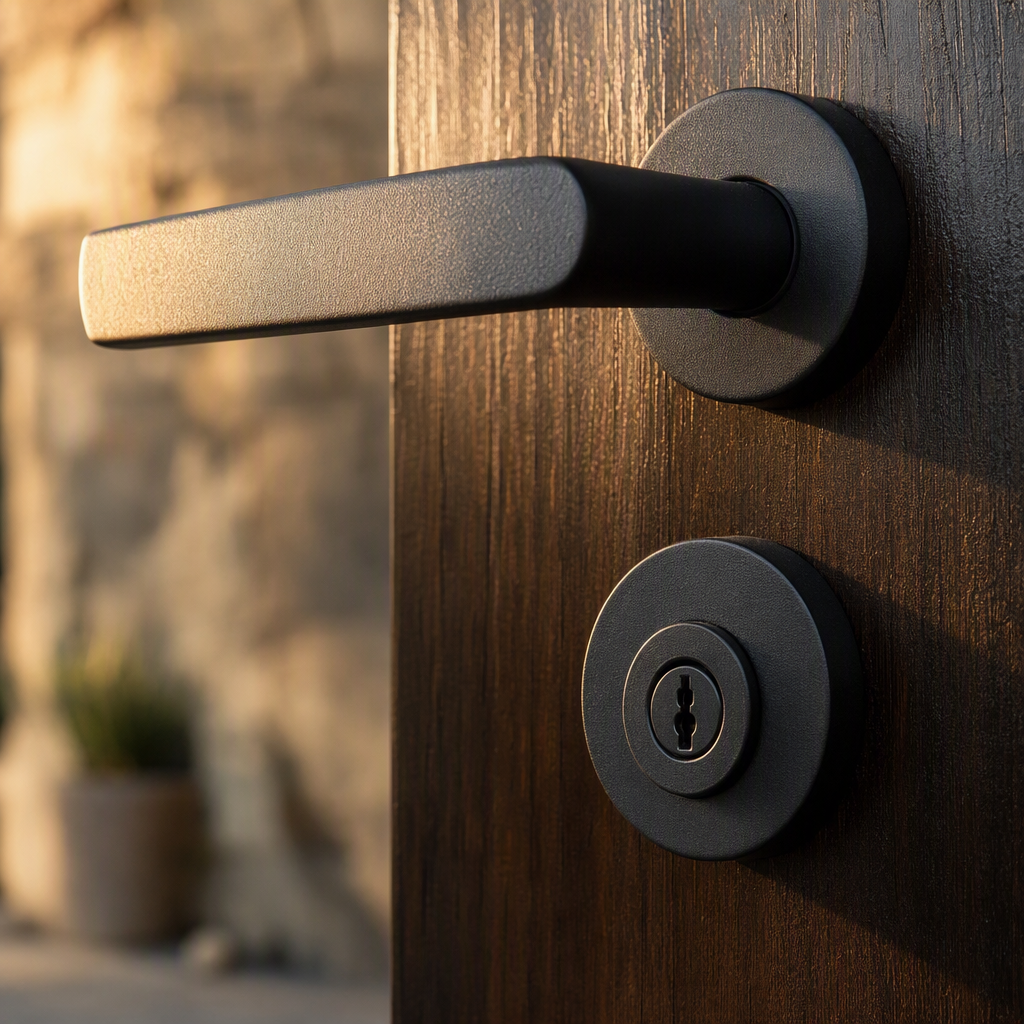
Few things are as frustrating as a door that refuses to lock properly. You might jiggle the handle, push or pull the door frame, or even apply significant force, all to no avail. This common household annoyance often leads people to immediately suspect a broken lock, prompting thoughts of costly replacements. However, many times, the real issue isn't with the lock itself but rather with the door will not lock alignment.
A door that won't securely latch or engage its deadbolt compromises your peace of mind and the security of your home or business. It can be a minor inconvenience for an infrequently used internal door or a significant vulnerability on an exterior entrance. This guide will walk you through understanding why door and frame misalignment is a frequent cause of locking problems. We’ll explore how to identify the signs, perform simple diagnostic checks, and understand when it’s time to call a professional locksmith for a precise door lock misalignment fix. Our goal is to help you diagnose the problem accurately, saving you time and potential expense, and ultimately restoring your security without unnecessary fuss.
The Frustration of a Door That Won't Latch Securely
Imagine this: you're locking up for the night, or securing your shopfront, and the key just won't turn smoothly. The latch bolt scrapes against the strike plate, or the deadbolt hits the frame instead of sliding into its receptacle. Perhaps you have to yank the door upwards, push it inward, or even lean into it with all your weight just to get the lock mechanisms to align and engage. This daily struggle can slowly erode your patience and, more importantly, your sense of security.
When a door doesn't latch or lock correctly, it often means the door itself isn't sitting perfectly square within its frame. Over time, due to changes in humidity, foundation settling, or even just heavy use, doors and frames can shift. This shift, even a millimeter or two, can prevent the lock’s bolt from properly entering the strike plate opening. While it feels like the lock is failing, it's actually just doing its job by trying to engage, but physically can't due to the obstruction. Ignoring these symptoms can lead to forced entries if the door isn't secure, or unnecessary wear and tear on your lock components as you repeatedly force them. Addressing the root cause, which is often misalignment, is key to maintaining both your security and the longevity of your door hardware.
Identifying Signs of Door and Frame Misalignment
Before you jump to conclusions about a faulty lock, it's helpful to become a detective and look for common clues that point to door and frame misalignment. These signs can manifest in various ways, from visual indicators to how the door feels and sounds during operation. Recognizing these symptoms can help you understand the true nature of your door will not lock alignment problem and avoid misdiagnosing it as a broken lock.
Visual Cues Around the Door
One of the easiest ways to spot misalignment is by simply looking at your door in its closed position.
- Uneven Gaps: Check the space between the door and the frame along all four sides. Are the gaps consistent? If you notice a wider gap at the top or bottom on one side, or an uneven gap along the latch side, it's a strong indicator that the door has shifted.
- Rub Marks: Look for scuff marks or paint chips on the door's edge or the door frame, particularly near the top or bottom of the latch side, or on the frame near the hinges. These marks occur where the door is rubbing against the frame when it closes or opens.
- Door Not Sitting Flush: When closed, the door should sit evenly within the frame. If one edge protrudes or is recessed compared to the other, or if the door appears slightly twisted, misalignment is likely a factor.
Operation Issues with Latches and Bolts
Beyond visual inspection, how your door operates provides crucial feedback about its alignment.
- Difficulty Turning the Key/Handle: If you have to push or pull the door significantly to turn the key or engage the handle, it's a classic sign. The lock mechanism is trying to extend, but the misaligned strike plate is blocking its path.
- Sticky or Stiff Operation: The handle might feel unusually stiff, or the latch bolt might retract sluggishly. This often happens when the latch isn't moving freely into the strike plate opening. The friction from misalignment can also affect how easily the deadbolt fully extends.
- Door Needs Force to Close: If you find yourself consistently needing to push or lift the door to get it to close and latch, it's struggling against a misaligned frame. This isn't just an inconvenience; it puts stress on the door, hinges, and lock components.
Sound Indicators During Operation
Sometimes, your ears can tell you what your eyes might miss.
- Scraping or Grinding Sounds: When you close or open the door, listen for any scraping, grinding, or rubbing noises. These sounds often indicate friction between the door and the frame or between the latch/deadbolt and the strike plate.
- Loud Clunk When Locking: While a solid lock engagement often makes a satisfying click or clunk, an unusually loud or harsh noise when trying to lock might mean the bolt is forcefully hitting the edge of the strike plate rather than sliding cleanly into the hole.
By observing these signs, you can often pinpoint that your door lock misalignment fix might be a necessary step, rather than immediately assuming a costly lock replacement. Understanding these indicators is the first step in effective troubleshooting.
Simple Checks Before Calling a Locksmith
Before reaching for the phone to call a professional, there are several straightforward checks you can perform yourself. These basic troubleshooting steps can often resolve minor issues related to common door lock problems or at least help you gather more information to assist a locksmith. Remember, safety first: never force components excessively, as you could cause more damage.
1. Inspect and Tighten Door Hinges
Loose hinges are a very common cause of door misalignment. Over time, hinge screws can loosen, allowing the door to sag or shift.
- Check: Open the door and try to lift it slightly. Does it move up and down on the hinge side? Examine each hinge for loose screws or play.
- Fix: Use a screwdriver to tighten all the screws on every hinge, both on the door and on the frame. If a screw spins freely and doesn't tighten, it might be stripped. You can try a longer screw of the same diameter, or use a wood filler with a toothpick or matchstick to create more grip for the existing screw. Sometimes, just tightening the hinges is enough to resolve many
troubleshooting sticky door locksscenarios.
2. Examine and Adjust the Strike Plate
The strike plate is the metal plate on the door frame that the latch bolt and deadbolt slide into. If it's even slightly out of alignment, your door won't lock.
- Check: With the door open, extend the latch bolt and deadbolt (if applicable) and observe where they align with the strike plate openings. Close the door slowly and see if the bolts hit the top, bottom, or side of the strike plate opening. Look for shiny rub marks on the strike plate, indicating where the bolt is making contact.
- Fix: If the bolts are hitting the edge of the strike plate, you might need to adjust it.
- Loose Strike Plate: First, ensure the strike plate screws are tight.
- Minor Adjustment: Sometimes, slightly enlarging the opening of the strike plate with a metal file (on the side where the bolt is hitting) can provide enough clearance.
- Shifting the Plate: For more significant misalignment, you may need to remove the strike plate, fill the old screw holes with wood filler, and then re-attach the plate slightly up, down, or to the side, ensuring the bolt now aligns perfectly. Mark the new screw positions carefully before drilling pilot holes.
3. Clear Obstructions Around the Latch and Bolt
Sometimes, the problem isn't misalignment but a simple obstruction.
- Check: Look inside the strike plate opening and around the latch bolt itself. Is there any debris, paint buildup, or even a small insect nest preventing the bolt from fully extending?
- Fix: Use a small tool, like a flathead screwdriver or a utility knife, to carefully clear any obstructions from the strike plate opening and around the lock's bolt.
4. Evaluate Door Seal or Weather Stripping
Thick or improperly installed weather stripping can create resistance, making it hard to close and lock the door, mimicking misalignment.
- Check: Inspect the weather stripping around the door frame. Is it compressed unevenly? Is it too thick in certain spots?
- Fix: If the weather stripping is too thick or damaged in an area where the door is binding, consider trimming it slightly or replacing that section.
These simple checks can often resolve minor door alignment issues without requiring professional help. However, if these steps don't fix the problem, or if you're uncomfortable performing them, it's time to consider a professional assessment. Understanding how your door locks work can also be helpful; for more detail, see our guide Beyond the Key: How a Door Lock and Cylinder Actually Work.
Professional Assessment: When to Seek Expert Help for Alignment Issues
While DIY troubleshooting can often resolve minor issues, there are times when a door that won't lock due to misalignment requires the expertise of a professional locksmith. Knowing when to call in the experts can save you time, prevent further damage, and ensure your property's security is fully restored.
When DIY Solutions Aren't Enough
You've tightened the hinges, adjusted the strike plate, and cleared any obstructions, but the door still won't lock smoothly. This is a clear indicator that the problem might be more complex than superficial adjustments can solve. Perhaps the door itself has warped, the frame has settled unevenly, or there's an underlying structural issue causing persistent misalignment. Forcing a lock or a door that resists will only cause more wear and tear, potentially damaging the lock beyond repair or compromising the door's integrity.
Addressing Recurring or Worsening Problems
If your door alignment issues are a recurring problem, or if the situation seems to be getting worse over time despite your best efforts, it's a strong sign that professional intervention is needed. A locksmith can assess the overall condition of your door, frame, and hardware to identify the root cause, rather than just treating the symptoms. They can determine if factors like humidity fluctuations, building settlement, or worn-out hardware are contributing to the ongoing misalignment.
When Security is Compromised
Any situation where your door cannot be securely locked poses a significant security risk. If you cannot reliably secure your front door, back door, or business entrance, it's an emergency that warrants immediate professional attention. A locksmith can quickly diagnose the problem and perform a robust door lock misalignment fix to ensure your property is protected. They can also advise on security upgrades if the current hardware isn't adequate, which can be useful when considering options like those discussed in Choosing the Right Door Hardware for Melbourne's East Homes & Businesses.
The Locksmith's Advantage: Beyond Simple Adjustments
A professional locksmith brings specialized tools, experience, and knowledge that go beyond basic DIY fixes.
- Comprehensive Diagnosis: They don't just look at the lock; they assess the entire door system – hinges, frame, door slab, and all lock components – to pinpoint the exact source of the misalignment.
- Precision Adjustments: Locksmiths can perform precise adjustments to hinges, shave down parts of the door or frame where necessary, or re-mortise strike plates for perfect alignment. They understand the nuances of various door materials and lock types.
- Hardware Expertise: If the misalignment has caused damage to your existing lock, or if an upgrade is needed, a locksmith can advise on the best repair or replacement options. They can often repair issues that might seem like they require a full lock replacement, saving you money. For more on this, consult our article Lock Repair vs. Replacement: What to Do When Your Lock Fails.
- Safety and Efficiency: Attempting complex door or frame adjustments yourself can be time-consuming and potentially lead to further damage if not done correctly. A professional ensures the job is done safely and efficiently, restoring full functionality and security.
For residents and businesses in Bayswater North and surrounding Melbourne eastern suburbs like Bayswater, Boronia, Croydon, Ringwood, Heathmont, and Wantirna South, Bayswater North Locksmith Service offers honest diagnosis and effective solutions. We pride ourselves on plain-language assessments, recommending repair or rekeying when replacement isn't warranted. We're here to provide security, without the fuss.
Frequently Asked Questions About Door Alignment and Locking
Q: Can I fix door alignment myself?
A: For minor issues like loose hinge screws or slightly misaligned strike plates, you can often perform simple DIY fixes. However, for more complex problems like warped doors, shifted frames, or persistent issues, it's best to consult a professional locksmith to avoid causing further damage and ensure proper security.
Q: How long does a door alignment fix take?
A: The time it takes varies significantly. A simple hinge tightening or strike plate adjustment might take 15-30 minutes. More complex issues involving frame adjustments, door shaving, or significant hardware recalibration could take an hour or more. A locksmith can provide a more accurate estimate after an initial assessment.
Q: What if my door is warped?
A: A warped door can certainly cause alignment issues, making it difficult or impossible to lock. Minor warps might sometimes be compensated for with adjustments to hinges or strike plates, but severe warping usually requires professional assessment. Depending on the material and extent of warping, the door might need to be repaired, refinished, or even replaced.
Q: Does weather affect door alignment?
A: Yes, weather can significantly impact door alignment. Changes in humidity and temperature can cause wooden doors to swell, shrink, or warp. This natural movement can lead to the door binding in the frame or causing misalignment with the strike plate, making it difficult to lock. Metal doors are less susceptible to humidity but can expand and contract with temperature changes.
Restore Your Security, Without the Fuss
A door that won't lock due to misalignment is more than just an annoyance; it's a potential security vulnerability. While it's tempting to think your lock is broken, often the true culprit is the subtle shift of the door within its frame. By understanding the signs of door will not lock alignment and performing some basic troubleshooting, you can often identify the problem yourself.
However, when simple checks don't resolve the issue, or if you're dealing with persistent problems, compromised security, or simply prefer expert assurance, it's time to call a professional. A qualified locksmith can provide an accurate door lock misalignment fix, ensuring your door closes smoothly, locks securely, and your peace of mind is restored.
Don't let a sticky door compromise your safety or daily routine. If you're in Bayswater North or the surrounding Melbourne eastern suburbs (Bayswater, Boronia, Croydon, Ringwood, Heathmont, Wantirna South) and your door won't lock, contact Bayswater North Locksmith Service. We offer honest assessments and effective solutions to get your doors locking properly again. Call us today on 347135972 or email [email protected] to discuss your needs and ensure your property enjoys security, without the fuss.
Talk to a Local Locksmith in Bayswater North
Bayswater North Locksmith Service is a locally operated locksmith business serving Bayswater North and the surrounding eastern suburbs of Melbourne, including Bayswater, Boronia, Croydon, Ringwood, Heathmont and Wantirna South. Customers can contact us directly to discuss residential, commercial and automotive locksmith work.
- Business: Bayswater North Locksmith Service
- Phone: 347135972 — tap to call
- Address: 296 Canterbury Rd, Bayswater North VIC 3153, Australia
- Email: [email protected]
- Service area: Bayswater North and surrounding Melbourne eastern suburbs
- Trading hours: not published on this website, because they have not been confirmed for publication — please call 347135972 to confirm current availability
Describe your situation when you get in touch: the suburb, the type of property or vehicle, the door and lock involved, and what is or is not working. That is usually enough for a genuinely useful first answer. You can request service through our contact form, browse all locksmith services, or see the areas we cover.