Guide
Commercial Shopfront Locks: Why They Wear Faster & How to Protect Your Business
Published 2026-08-29
Discover why commercial shopfront locks face more wear than residential ones and learn proactive strategies to protect your business security in Melbourne's East.
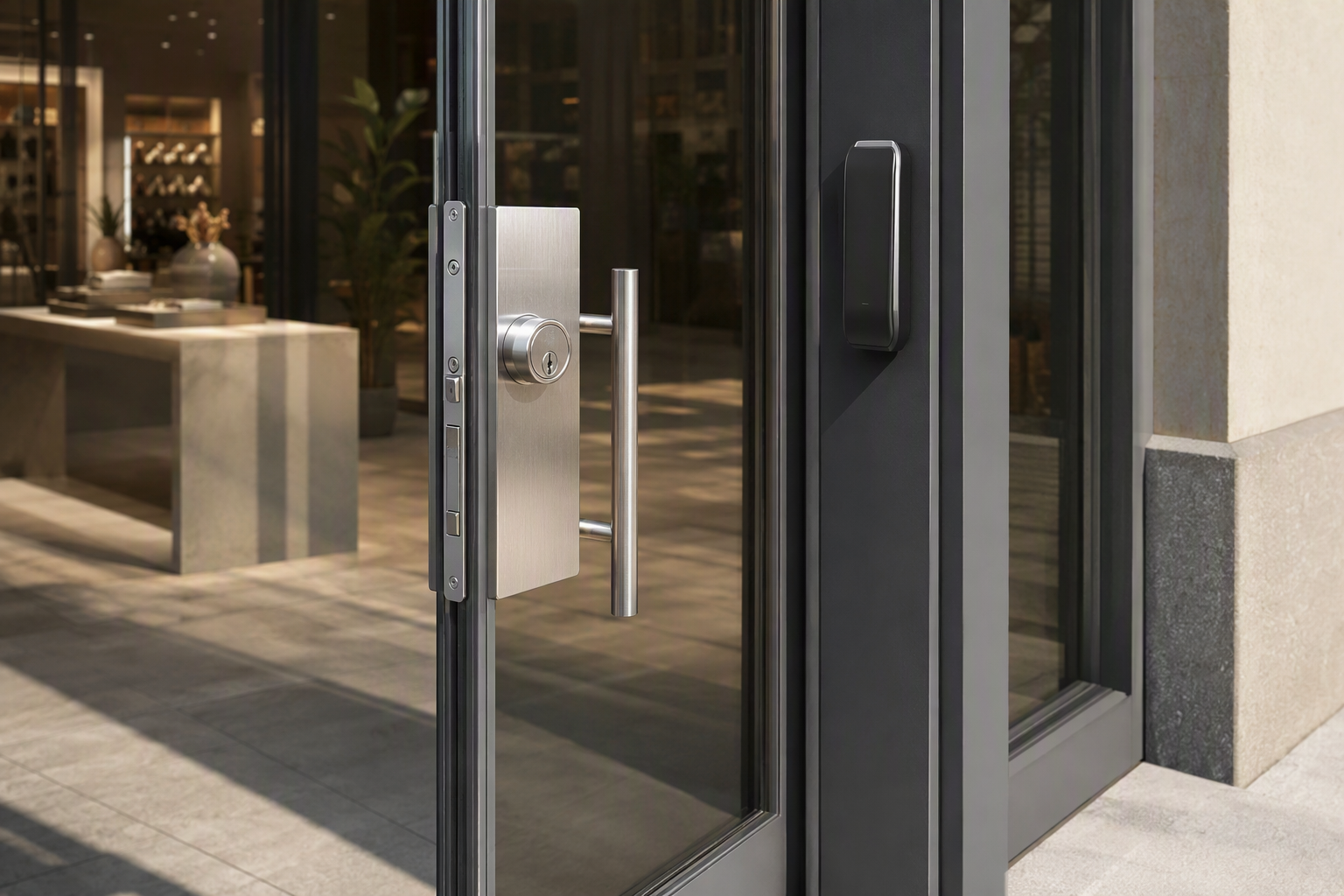
For any business in Melbourne's eastern suburbs, the security of your premises begins at the front door. Your commercial shopfront locks are the first line of defence against unauthorised access, protecting your inventory, assets, and peace of mind. However, unlike residential locks, these critical pieces of hardware endure significantly more stress and use, leading to faster commercial shopfront lock wear. This accelerated degradation can compromise your security and lead to unexpected breakdowns, leaving your business vulnerable.
Understanding why these locks wear out more quickly is the first step in developing effective maintenance and security strategies. From constant customer traffic to environmental factors, commercial locks face a unique set of challenges that can shorten their lifespan. This article will delve into the reasons behind rapid commercial lock wear, help you identify common signs of deterioration, and provide actionable advice on how to protect your investment and maintain robust security for your business. We’ll also explore durable solutions tailored for businesses in Bayswater North and surrounding areas, ensuring your property remains secure, without the fuss.
The Daily Grind: Why Commercial Locks Face More Stress
Commercial shopfront locks are not built like standard residential locks. While they might look similar, their internal mechanisms and external components are designed to withstand a much higher degree of daily use and abuse. The sheer volume of traffic, coupled with exposure to various elements, places immense strain on these vital security features. This constant 'daily grind' significantly contributes to the accelerated commercial shopfront lock wear seen in business environments compared to private homes.
Constant Traffic, Constant Strain
Think about the number of times your shopfront door opens and closes in a single business day. Each interaction, whether by staff, customers, or delivery personnel, puts stress on the lock mechanism. Residential locks might be used a handful of times a day, but a busy shopfront lock could see hundreds of cycles. This repetitive action leads to friction, loosening of components, and eventual fatigue in the metal parts, making them prone to breakage or malfunction. High-traffic doors demand hardware that can keep pace, and even the most robust systems will show signs of wear over time.
Environmental Exposure
Melbourne's weather can be unpredictable, and commercial shopfront locks are often directly exposed to the elements. Rain, humidity, dust, and temperature fluctuations can all contribute to deterioration. Metal components can corrode, lubricants can break down, and dust can accumulate, creating grit that grinds down internal parts. Locks facing direct sunlight can experience material degradation, while those in shaded, damp areas might suffer from increased rust. This constant environmental assault adds another layer of stress, accelerating the wear process.
Diverse Users, Varied Habits
Unlike a home where only a few individuals use the locks, a commercial setting involves a diverse range of users. Staff members may operate the locks multiple times a day, often in a hurry. Customers might not handle doors with the same care. Delivery drivers, cleaners, and other service providers also interact with your lock. This variety of handling, from gentle turns to hurried pushes and pulls, can introduce different types of stress and damage, further contributing to accelerated lock wear.
Identifying Common Signs of Wear and Tear in Shopfront Hardware
Being proactive about your business's security means recognising the early warning signs of wear and tear in your commercial shopfront locks. Ignoring these indicators can lead to a sudden lock failure, leaving your property vulnerable or inconveniencing your operations. Regular checks can help you catch problems before they escalate, saving you time, money, and potential security risks. Understanding these symptoms is crucial for effective commercial door lock maintenance.
Difficulty with Key Operation
One of the most common and earliest signs of commercial shopfront lock wear is when your key starts to feel stiff or difficult to turn. You might find yourself jiggling the key, applying more force than usual, or struggling to insert or remove it. This resistance often indicates internal mechanisms are worn, misaligned, or obstructed by debris. Don't wait until the key breaks off in the lock – this is a clear signal that the lock needs attention.
Loose Hardware and Excessive Play
Periodically check the stability of your lock components. Are the handles wobbly? Does the lock cylinder feel loose within the door? Is there excessive play when you wiggle the key in the lock? Loose hardware often points to worn-down screws, springs, or internal components. This 'play' can compromise the lock's ability to engage properly, making it easier to manipulate or simply fail. A stable, solid lock mechanism is a secure one.
Visible Damage or Corrosion
Conduct a visual inspection of your locks and door hardware regularly. Look for obvious signs of physical damage such as dents, scratches, or bent components, which could indicate forced entry attempts or accidental impacts. Also, pay close attention to any signs of corrosion, rust, or discolouration, particularly on metal parts exposed to the weather. This visible deterioration suggests that the internal workings might also be compromised, impacting the lock's strength and reliability. If you notice any issues, it might be time to consider professional assistance, possibly even a Lock Repair vs. Replacement: What to Do When Your Lock Fails.
Proactive Maintenance Strategies for Longevity
Extending the life of your commercial shopfront locks and maintaining peak security doesn't require a complete overhaul; it often starts with consistent, proactive commercial door lock maintenance. Regular attention can significantly reduce the effects of everyday wear and tear, preventing costly emergency repairs and enhancing the overall security posture of your business in Bayswater North and beyond. Implementing a simple maintenance routine can make a big difference in the longevity and reliability of your crucial entry points.
Routine Cleaning and Lubrication
Dirt, dust, and grime are silent enemies of any lock mechanism. Over time, these particles can accumulate inside the lock cylinder and moving parts, increasing friction and accelerating wear. A simple routine of cleaning and lubrication can mitigate this. Use a non-greasy, dry lubricant specifically designed for locks (avoid WD-40, which can attract more dust). Apply it sparingly into the keyway and other moving parts. This helps to reduce friction, flush out debris, and keep components moving smoothly. This quick step, done quarterly or biannually, can greatly extend a lock's functional life.
Scheduled Professional Inspections
While internal maintenance is good, nothing beats the experienced eye of a professional. Schedule regular inspections with a local commercial locksmith service. A locksmith can identify subtle signs of wear that might be missed during a casual check, diagnose potential issues before they become critical failures, and make minor adjustments that can prevent major problems. They can also advise on the overall health of your door hardware, including hinges, door closers, and frames, ensuring the entire entry system functions harmoniously. This expert insight is invaluable for long-term security.
Addressing Minor Issues Promptly
One of the biggest mistakes businesses make is waiting for a lock to completely fail before calling for help. If you notice a key is a little stiff, a handle is slightly loose, or a lock mechanism is making unusual noises, address it immediately. Minor issues often indicate underlying wear that, if left unaddressed, will quickly worsen. Sometimes, a simple adjustment or the replacement of a small component can prevent the need for a full lock replacement. Prompt action on minor issues is a cost-effective way to preserve your investment and maintain security. When dealing with changes in staffing or tenancy, rekeying is often a smart, proactive step to enhance security; you can read more about it in our guide on Managing Access: Rekeying When Tenancies or Staff Arrangements Change.
Upgrading to Durable Solutions for Melbourne's East Businesses
When proactive maintenance is no longer enough, or when you’re looking to enhance your security beyond basic measures, upgrading to more durable and advanced lock solutions becomes essential. Businesses in Melbourne's eastern suburbs, especially those experiencing high traffic, can significantly benefit from investing in robust, commercial-grade hardware designed for longevity and superior security. Moving beyond standard locks can offer peace of mind and long-term protection against the relentless grind of daily operation and potential threats.
Investing in Commercial-Grade Hardware
Not all locks are created equal. Commercial-grade door hardware is specifically manufactured to withstand the heavy usage and potential abuse that shopfronts endure. These locks feature heavier-duty components, stronger materials, and more rigorous testing standards than residential alternatives. When choosing new hardware, consider locks rated for high-traffic environments, often designated with durability grades (e.g., ANSI/BHMA Grade 1). While the initial investment might be higher, the extended lifespan and enhanced reliability of commercial-grade locks often translate to significant savings in maintenance and replacement costs over time. For more general advice on security solutions, explore our commercial locksmith services tailored for shops, offices, and managed premises on our dedicated /commercial-locksmith/ page.
High-Security Cylinders and Keying Systems
Beyond the strength of the lock body, the cylinder and keying system play a crucial role in preventing unauthorised entry. Upgrading to high-security cylinders can offer increased resistance to picking, drilling, and bumping. These systems often come with restricted keyways, meaning keys cannot be duplicated without proper authorisation, providing an additional layer of control over who can access your premises. For multi-door businesses, consider master key systems that allow different levels of access for various staff members while maintaining security. This strategic upgrade can make your business significantly less attractive to would-be intruders.
Weather-Resistant and Anti-Corrosion Options
Given Melbourne’s sometimes harsh weather, selecting locks with superior weather resistance is a smart long-term strategy. Look for hardware made from materials like stainless steel, solid brass, or those with special anti-corrosion coatings. These materials are better equipped to handle rain, humidity, and temperature fluctuations, significantly slowing down the process of deterioration and commercial shopfront lock wear. Investing in weather-resistant options not only prolongs the life of your locks but also ensures their reliable function year-round, regardless of external conditions. For tailored advice on robust options suitable for our local climate, consider our guide on Choosing the Right Door Hardware for Melbourne's East Homes & Businesses.
Frequently Asked Questions About Commercial Shopfront Locks
How often should I have my shopfront locks inspected?
For businesses with high traffic, a professional inspection once a year is a good baseline. However, if you notice any signs of difficulty or wear, it's advisable to call a locksmith sooner. Regular self-checks for stiffness or looseness can help identify issues between professional visits.
Can worn-out commercial locks compromise my business security?
Absolutely. Worn-out locks are weaker and more susceptible to picking, forcing, or complete failure, which can leave your business vulnerable to break-ins. Even minor wear can indicate internal damage that compromises the lock's integrity.
What's the difference between repairing and replacing a commercial lock?
Repairing a lock involves fixing a specific faulty component, such as a spring or cylinder, often when the main housing is still in good condition. Replacing means installing an entirely new lock unit. A professional locksmith will assess the extent of the wear or damage and recommend the most secure and cost-effective solution. You can find more detail on this topic in our article, Lock Repair vs. Replacement: What to Do When Your Lock Fails.
Why do commercial locks often cost more than residential ones?
Commercial locks are designed for much higher traffic, greater security demands, and often incorporate more robust materials and complex mechanisms. Their construction aims for durability and resistance against various forms of attack, which requires more sophisticated engineering and higher-quality components, thus increasing their cost.
Conclusion
The security of your commercial premises is paramount, and the condition of your shopfront locks plays a critical role in maintaining that security. Understanding the unique stresses that contribute to commercial shopfront lock wear – from constant traffic and environmental exposure to diverse user habits – empowers you to take proactive steps. By recognising the early signs of deterioration and implementing a strategy of routine maintenance, prompt repairs, and strategic upgrades, you can significantly extend the lifespan and reliability of your business's security hardware.
Don't let worn-out locks compromise your assets or disrupt your operations. Investing in regular care and choosing durable, commercial-grade solutions for your Bayswater North business is an investment in long-term peace of mind. For expert advice on commercial locksmith services, from maintenance to upgrades, and to ensure your business enjoys SECURITY, WITHOUT THE FUSS., contact Bayswater North Locksmith Service today.
Contact Us for Commercial Locksmith Services
Talk to a Local Locksmith in Bayswater North
Bayswater North Locksmith Service is a locally operated locksmith business serving Bayswater North and the surrounding eastern suburbs of Melbourne, including Bayswater, Boronia, Croydon, Ringwood, Heathmont and Wantirna South. Customers can contact us directly to discuss residential, commercial and automotive locksmith work.
- Business: Bayswater North Locksmith Service
- Phone: 347135972 — tap to call
- Address: 296 Canterbury Rd, Bayswater North VIC 3153, Australia
- Email: [email protected]
- Service area: Bayswater North and surrounding Melbourne eastern suburbs
- Trading hours: not published on this website, because they have not been confirmed for publication — please call 347135972 to confirm current availability
Describe your situation when you get in touch: the suburb, the type of property or vehicle, the door and lock involved, and what is or is not working. That is usually enough for a genuinely useful first answer. You can request service through our contact form, browse all locksmith services, or see the areas we cover.